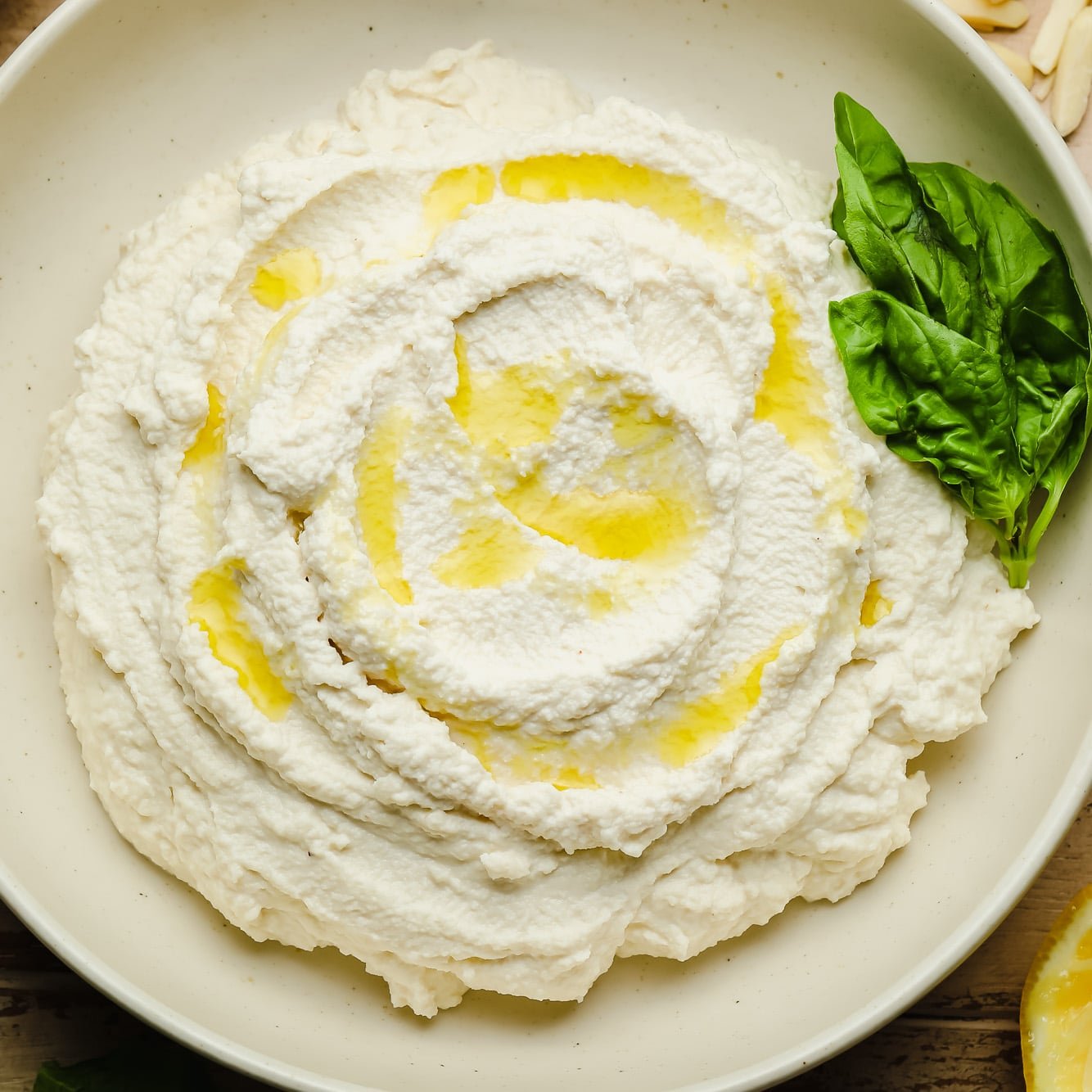
For lovers of Italian cuisine and creamy textures, the idea of going dairy-free can sometimes feel like a culinary compromise. Ricotta cheese, with its soft, slightly granular texture and mild, milky flavor, is a cornerstone of so many beloved dishes – from decadent lasagnas and pillowy ravioli to savory calzones and sweet cannoli. But what if you could enjoy all that delightful creaminess without any dairy whatsoever? Enter vegan ricotta: a game-changer for plant-based enthusiasts, allergy sufferers, and anyone simply looking for a healthier alternative.
This isn't just a passable imitation; modern vegan ricotta recipes are so wonderfully delicious and authentic in texture that they truly stand on their own. Whether you're transitioning to a more plant-based lifestyle, dealing with lactose intolerance, or simply curious to explore new culinary horizons, discovering the magic of dairy-free ricotta is a journey well worth taking. Forget sacrificing flavor or texture; get ready to rediscover your favorite comfort foods, completely reimagined.
Why Make the Switch to Vegan Ricotta?
The decision to embrace plant-based alternatives often stems from a variety of motivations, and vegan ricotta addresses many of them head-on, offering a compelling upgrade from its dairy counterpart. It's more than just a substitute; it's a smart choice for health, ethics, and sustainability.
Health-Conscious and Allergen-Friendly
One of the primary drivers for many is health. Traditional ricotta, while delicious, can be high in saturated fat and cholesterol. Vegan alternatives, particularly those made with wholesome ingredients like tofu or nuts, offer a significantly healthier profile. Our featured tofu-based recipe, for example, is Minute Nut-Free Vegan Ricotta: Perfect for Lasagna & More, making it an excellent choice for those with nut allergies while still being rich in plant-based protein, vital vitamins like A and C, and energizing B vitamins. It’s a low-calorie option that allows you to enjoy rich, creamy flavors without the heavy guilt.
For individuals with dairy allergies or lactose intolerance, vegan ricotta is an absolute godsend. It opens up a world of culinary possibilities that were previously off-limits, ensuring everyone can partake in the joy of cheesy, comforting dishes. The carefully selected ingredients are designed to mimic the mouthfeel and subtle tang of dairy ricotta without any of the common allergens.
Ethical and Environmental Benefits
Beyond personal health, choosing vegan ricotta aligns with a broader commitment to ethical and environmental values. Opting for plant-based ingredients reduces the demand for animal agriculture, which has a significant impact on animal welfare and the environment. Dairy production contributes to greenhouse gas emissions, water pollution, and land degradation. By making the switch, even for just one ingredient, you're contributing to a more sustainable and compassionate food system.
Uncompromised Taste and Texture
Perhaps the most convincing reason for the skeptical is the truly uncompromised taste and texture. Gone are the days of bland, rubbery vegan cheeses. Modern recipes, especially those perfected for dairy-free ricotta, achieve that signature creamy consistency and slightly tangy flavor that we associate with the traditional version. When done right, with key ingredients like nutritional yeast for cheesiness and a touch of lemon for zing, it's hard to distinguish it from the real thing, making it a truly joyful experience for your palate.
Crafting Your Own Creamy Vegan Ricotta: The Tofu Method
Making your own vegan ricotta at home is surprisingly simple, often taking less than 15 minutes of active preparation time. The tofu method is particularly popular for its ease, affordability, and the fantastic texture it provides.
The Magic of Tofu: Why It Works
Tofu, often misunderstood, is the star ingredient in many of the best vegan ricotta recipes. Its neutral flavor profile acts as a perfect canvas, absorbing the delicious herbs and spices you add, while its unique texture can be manipulated to mimic the soft, curdy consistency of dairy ricotta. For achieving that ideal fluffy texture, extra-firm tofu is typically recommended. The key is often in how you prepare it: pressing out excess water helps create a denser, more cohesive "cheese."
Don't be daunted if you're not a big tofu fan in other dishes; for this specific application, it's truly ideal. Unlike stir-fries where you might prefer the chewier texture of other soy products, here, tofu's ability to be mashed and blended into a creamy base is exactly what we're looking for.
Essential Flavor Boosters
While tofu provides the foundation, it's the supporting cast of ingredients that truly elevates your vegan ricotta to gourmet status. Nutritional yeast, often lovingly referred to as "vegan crack," is non-negotiable for that distinct cheesy flavor. It imparts a savory, umami depth that is essential for any dairy-free cheese substitute. You can find it in the health food aisle of most grocery stores, and it's a pantry staple worth keeping for other delicious vegan recipes like mac and cheese or alfredo sauce.
Beyond nutritional yeast, a blend of fresh or dried herbs, a hint of garlic, and a bright squeeze of lemon juice are crucial. Basil adds a classic Italian note, while garlic provides a subtle warmth. The lemon zing cuts through the richness, balancing the flavors and adding a fresh, authentic tang that really brings the ricotta to life. Don't be afraid to experiment with other herbs like oregano or parsley, or even a pinch of red pepper flakes for a subtle kick.
Simple Steps for a Perfect Batch
The process is incredibly straightforward. First, press your extra-firm tofu to remove as much excess water as possible – this prevents your ricotta from being watery and ensures a rich, creamy consistency. Many home cooks prefer to mash the tofu by hand with a fork, rather than using a blender or food processor. The reason? Hand-mashing allows for better control over the texture, helping you achieve those delightful small curds characteristic of traditional ricotta, rather than an overly smooth paste. It also means less cleanup!
Once mashed, simply mix in your nutritional yeast, lemon juice, garlic, herbs, and any other seasonings you desire. A touch of salt and pepper to taste, and perhaps a tablespoon of olive oil for added richness, are usually the final touches. Stir everything together until well combined, and your healthy, creamy vegan ricotta is ready to enjoy. This truly exemplifies how easy and rewarding homemade plant-based cooking can be.
Beyond Tofu: Exploring Other Vegan Ricotta Bases
While tofu is a fantastic and versatile base for vegan ricotta, it's certainly not the only option. The world of plant-based ingredients offers a rich tapestry of alternatives, each bringing its own unique qualities to the table. Exploring these can be particularly useful for those with soy allergies or those simply looking to experiment with different textures and flavors.
Nut-Based Alternatives
Cashews and almonds are popular choices for creating rich, creamy dairy-free cheeses. Soaked raw cashews, when blended with a little water, lemon juice, and seasonings, create an incredibly smooth and decadent ricotta-like consistency. Almonds, particularly blanched and peeled ones, can also be used to achieve a similar result. The key here is powerful blending to break down the nuts into a fine, uniform texture. While delicious and wonderfully creamy, it's important to remember that these options are not nut-free, making the tofu version a superior choice for those with allergies.
The "Traditional" Tofu-Free Approach
Interestingly, some vegan ricotta recipes aim to replicate the "traditional" Italian method, but with plant-based ingredients and without relying on tofu or nuts. These often involve ingredients like plant-based milks (such as unsweetened soy, almond, or coconut milk) curdled with an acid (like lemon juice or vinegar) and then strained, much like how dairy ricotta is made from whey. Another innovative approach, as highlighted by recipes like the Ingredient Vegan Ricotta: No Tofu, Traditional & Creamy, can utilize simple pantry staples like plant-based yogurts or even sunflower seeds and white beans for a unique, creamy texture.
These methods can offer a slightly different texture profile – sometimes a bit more granular or a little tangier, depending on the base. They provide exciting alternatives for those seeking a soy-free, nut-free, or simply adventurous approach to their dairy-free cheese needs.
Unleash the Versatility: How to Use Your Vegan Ricotta
The beauty of homemade vegan ricotta lies in its incredible versatility. Once you have a batch ready, a world of culinary possibilities opens up. It seamlessly integrates into both savory and sweet dishes, proving just how essential it can be in a plant-based kitchen.
Italian Classics Reimagined
- Lasagna: This is arguably the most famous application. Layer your dairy-free ricotta generously between pasta sheets, marinara sauce, and vegetables for a comforting, hearty dish that tastes just like the original.
- Ravioli, Cannelloni, and Manicotti: Use it as a luscious filling for homemade or store-bought pasta. Combine it with spinach, herbs, and a touch of nutmeg for a classic preparation.
- Calzones and Stuffed Shells: Mix it with your favorite vegan mozzarella, herbs, and spices for a rich, satisfying filling.
Beyond the Traditional
- Spreads and Dips: Enjoy it simply spread on toasted crusty bread, bagels, or crackers. You can swirl in roasted red peppers, sun-dried tomatoes, or fresh herbs for an elevated dip.
- Savory Tarts and Pizzas: Dollop spoonfuls of ricotta over a pizza before baking, or use it as a base for an elegant vegetable tart. Its creaminess provides a delightful contrast to crisp crusts.
- Crostini Topping: A dollop of vegan ricotta, drizzled with olive oil and topped with fresh basil or figs, makes for an impressive appetizer.
Sweet Indulgences (Yes, Really!)
While often associated with savory dishes, the mild, slightly tangy profile of vegan ricotta makes it surprisingly adaptable to desserts. Think of classics like cannoli, where a sweetened ricotta filling is key. You can lightly sweeten your homemade version with a touch of maple syrup or agave, vanilla extract, and perhaps some orange zest to recreate that beloved dessert experience. It also works beautifully in parfaits layered with fruit and granola, or even as a creamy element in cheesecakes.
Conclusion
Embracing vegan ricotta is more than just finding a dairy-free substitute; it's about unlocking a new level of culinary creativity, health consciousness, and ethical dining. Whether you choose the quick and easy tofu method or explore other innovative bases, you'll be rewarded with a versatile, delicious, and wonderfully creamy ingredient that can transform your favorite dishes. So go ahead, whip up a batch, and prepare to be amazed by how incredibly satisfying and authentic plant-based eating can be.
